Marketplace Product Image Compliance: A Practical Checklist for SHEIN, Temu & TikTok Shop
Product images help shoppers understand what they are buying, and marketplaces set their own requirements for image format, accuracy, content, and intellectual-property rights. Those requirements can differ by market and product category and may change over time. AI-generated imagery can support content production, but it does not guarantee listing approval. Use this checklist alongside each platform's current official seller guidance.
Visual Review: Compare the Source Product and the Generated ImageVISNOVA AI
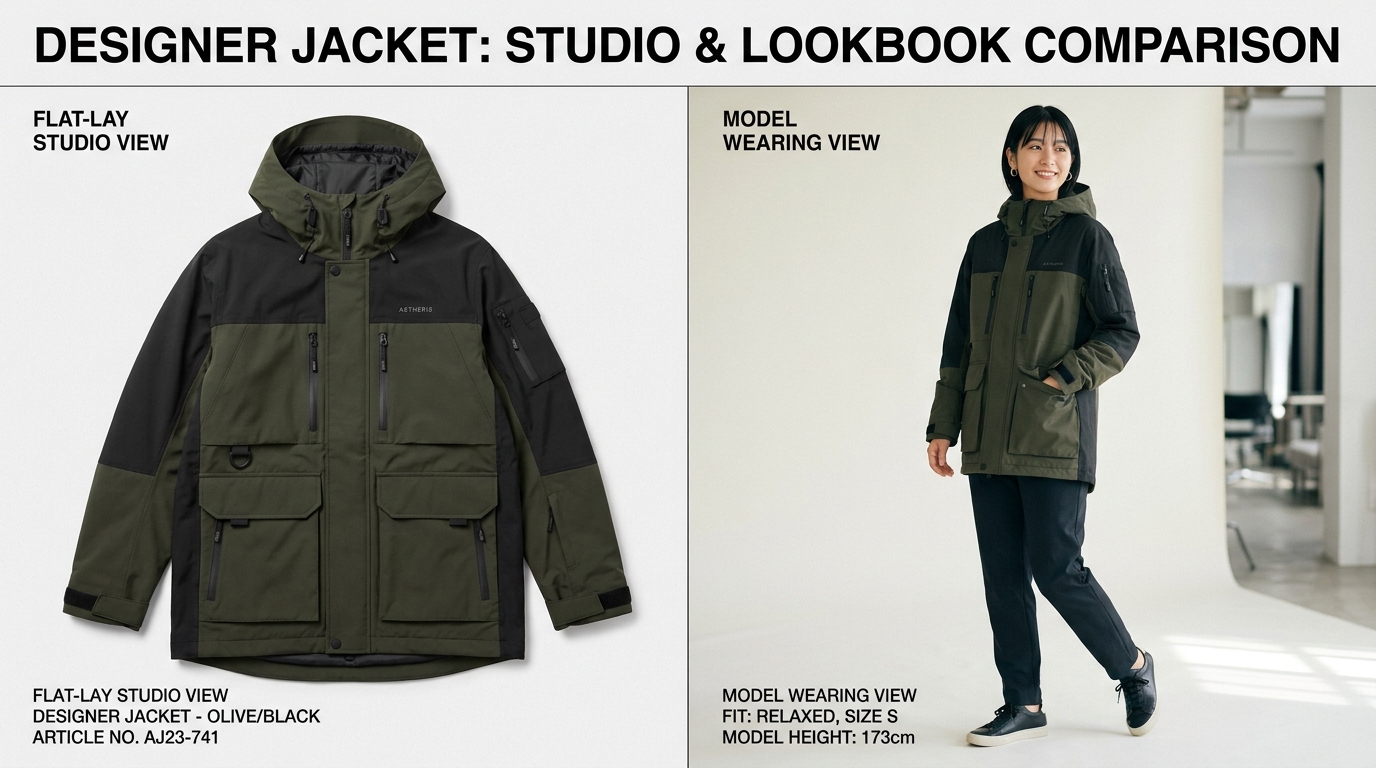 Source product photo for comparison
 Review AI output for product accuracy and platform rules
1. Three Checks Before You Submit a ListingVISNOVA AI
Marketplace rules are not interchangeable. Review the destination market and category, then check these common risk areas:
For example, TikTok Shop's U.S. product-listing guidance requires accurate product visuals and specifies conditions for the main image. Its AI-generated-image guidance allows AI imagery only when it remains an accurate representation of the real product. SHEIN publishes marketplace compliance guidance, and Temu explains its intellectual-property policy. Check the applicable market and category before publishing.
2. Use AI Images Carefully in a Listing WorkflowVISNOVA AI
AI tools can help create image variations, but the seller remains responsible for checking the output and the rules that apply to the listing.
1. Match the main image to the platform's requirements
Use a white-background preset only when the relevant channel and category call for one. TikTok Shop's U.S. guidance, for example, describes a clear physical product view for the main image and restricts added text, graphics, and watermarks. Requirements on SHEIN and Temu can differ. Review current image specifications before export.2. Keep the product and context truthful
Use model and lifestyle images when permitted and useful, but compare every generated result with the physical item. Do not let AI alter important attributes or imply unsupported materials, features, accessories, fit, or performance. Make sure styling and localization do not mislead shoppers.3. Confirm rights for source material and output
Synthetic or edited imagery is not automatically cleared for every use. Use input photos and model assets you have permission to process, review Visnova's applicable plan terms, and check marketplace rules for AI disclosure or other restrictions. Keep authorization records and review each final image before publishing.3. Run a Measurable Pilot Instead of Assuming ApprovalVISNOVA AI
Platform acceptance depends on the listing, product category, market, and current review rules. Treat AI image generation as one step in production, not as an approval guarantee. A small pilot can show whether it helps your team:
* Workflow: Photograph the real sample, generate permitted image options, compare them with the item and listing details, then submit through the platform's normal process. * Track the outcome: Record review results, rework time, rejected-image reasons, and time to publish. Compare those results with your existing workflow before expanding.
Marketplace policies change, so revisit official seller guidance regularly. AI can make asset production more flexible, while careful product checks, documented rights, and channel-specific review remain essential.'''